Wholesale Pipe Procurement Guide for Importers
Wholesale pipe procurement requires a disciplined approach to supplier vetting, logistics planning, and quality control. Importers must align technical specifications, verify documentation, and structure payments to mitigate cross-border risks. This guide outlines the core steps for selecting reliable partners and executing successful steel pipe imports.
- Verify supplier capabilities and quality systems before placing large import orders.
- Align technical specifications, including material grades and wall thickness tolerances, early in the sourcing process.
- Structure payment terms to balance supplier trust with buyer risk during international transactions.
- Plan for logistics, including shipping modes, customs documentation, and destination storage.
- Implement clear acceptance criteria and inspection protocols at the destination port.
How to Identify and Vet Potential Suppliers
Selecting the right source for wholesale pipe procurement starts with understanding the supplier’s full operational picture. Many importers focus solely on price, but a low quote often signals hidden risks in quality, delivery, or compliance. You need to evaluate the manufacturer or trading house based on its production capacity, material sourcing, and quality management systems.
Start by reviewing the supplier’s certifications. Look for recognized quality management standards and material testing protocols. For steel pipes, you will want evidence of mill test reports, third-party inspection capabilities, and experience with your specific target market. A supplier that can provide detailed mill test certificates for every lot is a strong indicator of traceability and quality control.
Next, assess their production and inventory capabilities. If you are importing a standard commodity grade like carbon steel pipe, the supplier may have large warehouses. If you need specialty alloys or specific heat treatments, you must confirm they can produce to your exact specification. Ask for samples. Requesting a small sample order before committing to a large shipment is a standard practice. This allows you to inspect dimensions, surface finish, and material properties without the financial risk of a full container.
Be cautious with intermediaries who do not have direct access to the mill. Traders can be useful for consolidation, but they may add a significant margin. You need to know who actually manufactures the pipe and who performs the final inspection. Clear communication about the supply chain reduces the chance of receiving off-specification product.
Aligning Technical Specifications and Tolerances
Technical alignment is where many import programs fail. Ambiguous specifications lead to disputes, rejected shipments, and costly re-exports. Before contacting suppliers, define your requirements with precision. List the pipe type, material grade, dimensions, wall thickness, and length. Include acceptable tolerances for each parameter.
For example, specify whether you need smooth or welded pipe. For welded pipe, define the manufacturing process, such as ERW or LSW, if it matters for your application. Clarify the surface condition, such as mill scale, black, or pickled. These details affect processing costs and downstream handling.
Tolerances are critical. Standard international dimensions allow for some variation in outer diameter and wall thickness. However, if your application requires tight tolerances, state this explicitly. Ask the supplier what their standard tolerances are and if they can meet stricter requirements. A mismatch here can cause fit issues in your assembly or installation process.
Also, consider the testing requirements. Do you need hydrostatic testing, ultrasonic testing, or X-ray inspection? Specify the testing standards and the reporting format. The supplier must be able to perform these tests and provide the documentation. If they cannot, you may need a third-party inspection service at the origin, which adds cost and time.
Managing Logistics and Incoterms
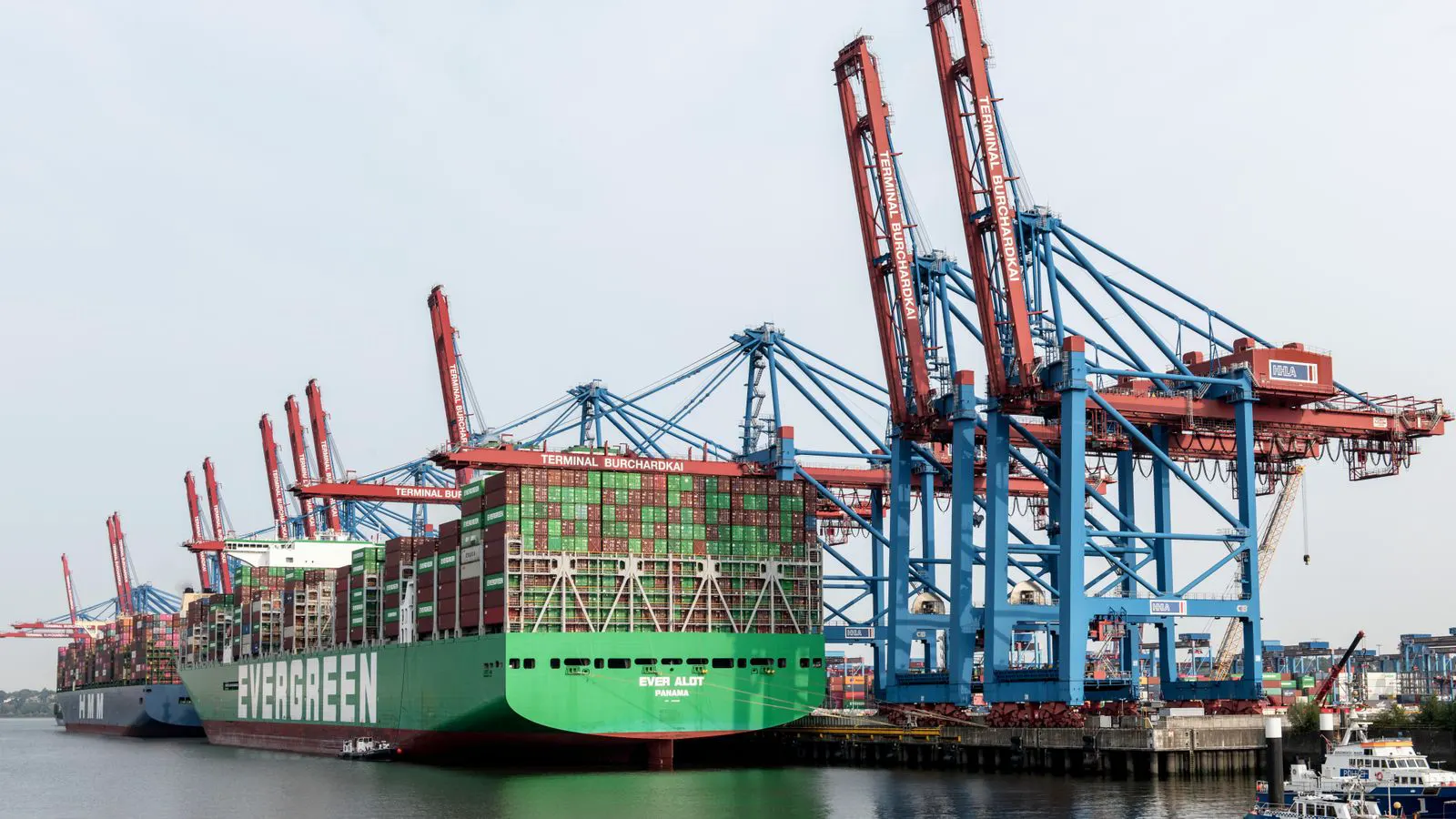
Logistics planning is a major component of wholesale pipe procurement. International shipping involves multiple handoffs, each with its own risks and costs. You must decide on the Incoterm that best fits your risk and cost model. Common terms include EXW, FOB, CIF, and DDP.
EXW (Ex Works) gives you maximum control but also maximum responsibility. You arrange the export shipping, customs clearance, and inbound freight. This is complex for new importers. FOB (Free on Board) is a common middle ground. The supplier handles the cost to load the goods onto the vessel at the origin port. You take over from there. CIF (Cost, Insurance, and Freight) has the supplier arranging the main freight and insurance to your destination port. You still handle import customs and local delivery.
Choose the term that matches your capability. If you have an experienced freight forwarder, you may prefer FOB or EXW to control the shipment. If you lack logistics expertise, CIF or DDP can simplify the process, but you must carefully review the insurance coverage and the supplier’s freight rates.
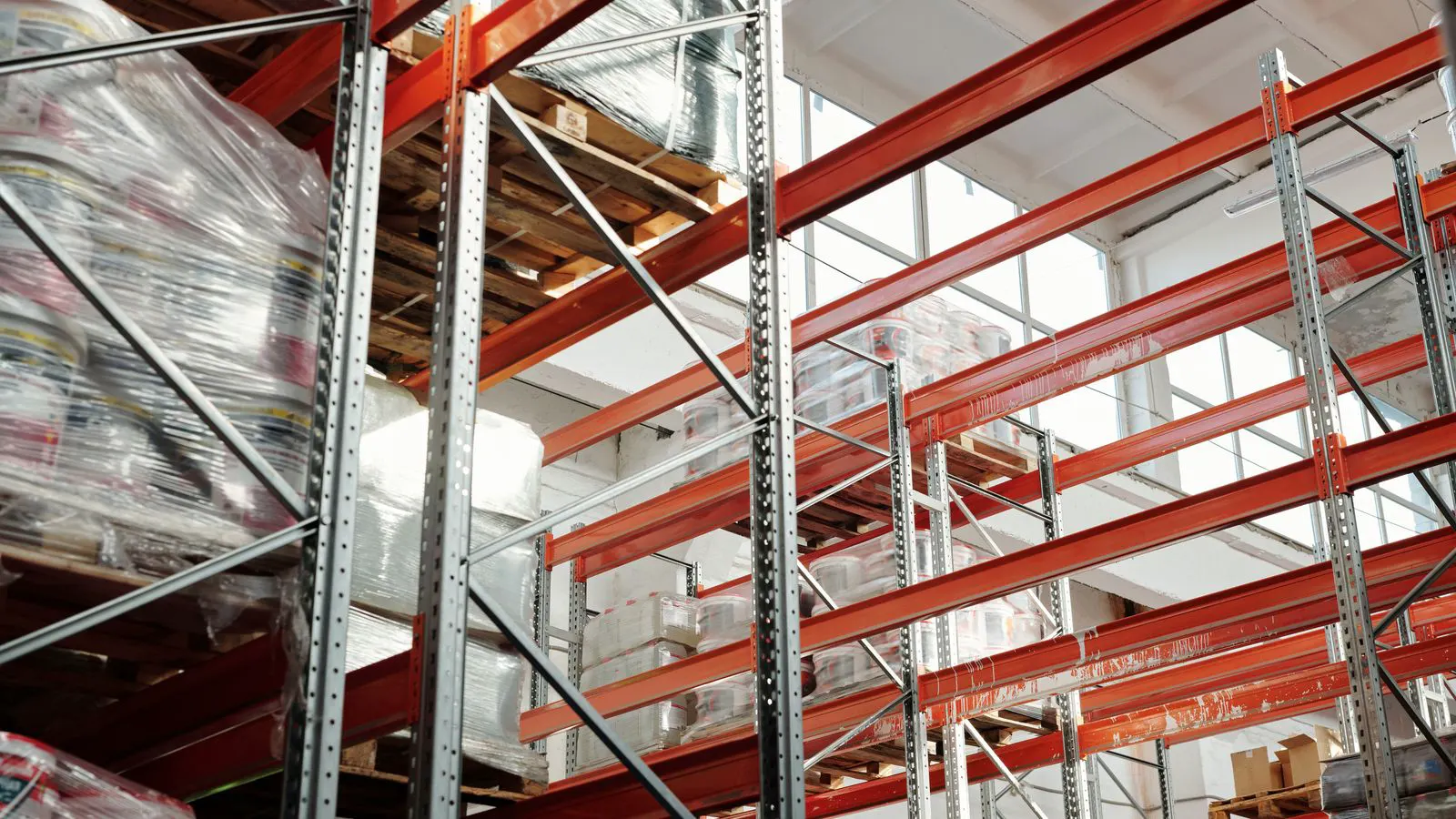
Plan for the physical movement of the pipes. Steel pipes are heavy and awkward. You need to consider the loading method, securement, and storage at the destination. Pipes must be stacked correctly to prevent damage and rolling. Use appropriate dunnage and tie-downs. Confirm that the vessel you book can handle the weight and dimensions of the cargo.
Customs documentation is non-negotiable. Prepare a commercial invoice, packing list, bill of lading, and certificate of origin. Ensure the material grade and dimensions on these documents match your purchase order exactly. Discrepancies can cause delays at the port and additional costs.
Structuring Payment Terms and Managing Risk
Payment terms are a direct reflection of the trust you have in the supplier and the risk you are willing to bear. Open letters of credit are a standard tool for international trade. They reduce your risk by requiring the supplier to meet specific conditions before receiving payment. However, they can be expensive and complex.
For established relationships, you may move to a 30% deposit with 70% balance against shipment documents. This is a common structure for wholesale pipe procurement. The deposit confirms your order and covers production costs. The balance is paid after you have received the shipping documents.
Be wary of requests for 100% advance payment. This is a high-risk scenario, especially with a new supplier. If the supplier fails to deliver, recovering the funds is difficult. Use a letter of credit or a secure escrow service for large, unproven transactions.
Negotiate the payment terms based on the supplier’s financial stability and your relationship history. A supplier with a strong track record may offer more flexible terms. You can also use trade credit insurance to mitigate the risk of non-payment.
Quality Control and Inspection Protocols
Quality control is your final line of defense. You must define what you will inspect and how you will verify it. Do not rely solely on the supplier’s self-declaration. Implement a multi-stage inspection process.
Stage one is pre-shipment inspection. Arrange for a third-party inspection agent to visit the mill or warehouse before the pipes are loaded. The agent verifies the material grade, dimensions, surface condition, and quantity. They also check the packing and labeling.
Stage two is destination inspection. When the shipment arrives, inspect the containers or the vessel. Check for transit damage, such as dents, rust, or broken dunnage. Verify the count and dimensions of the received goods. Compare the physical product against the mill test reports and the commercial invoice.
If a defect is found, document it immediately. Take photographs and note the location of the damaged items. Notify the supplier and your freight forwarder. You may need to reject the shipment or claim compensation. Clear documentation is key to a successful claim.
Building a Long-Term Sourcing Strategy
Successful wholesale pipe procurement is not a one-off transaction. It is a relationship. Once you have a reliable supplier, work to deepen the partnership. Share your forecasted volume, discuss price trends, and explore opportunities for cost savings.
Consider consolidating orders. If you have multiple projects, buying in larger quantities can reduce the per-unit cost. This also gives you more use in negotiating payment terms and logistics. However, be cautious about over-ordering. Excess inventory ties up capital and incurs storage costs.
Maintain a supplier scorecard. Track their performance on delivery, quality, and communication. Use this data to make informed decisions about future orders. If a supplier consistently underperforms, switch to an alternative. Have backup suppliers identified for critical materials.
Monitor market conditions. Steel prices fluctuate based on global supply and demand. Build price adjustment clauses into your contracts. This allows you to share the risk of price changes while protecting against sudden spikes.
Decision Checklist for Supplier Selection
Use this checklist to evaluate potential suppliers before placing an order.
- Does the supplier hold valid quality management certifications?
- Can they provide mill test reports for the requested material grade?
- What are their standard tolerances for dimensions and wall thickness?
- What production and testing capabilities do they have for your specific requirement?
- What Incoterms can they offer, and what are the associated costs?
- What payment terms do they propose, and do they align with your risk policy?
- Can they accommodate a third-party inspection before shipment?
- What is their track record with international clients?
- How do they handle claims and disputes?
- Do they have a clear communication protocol for order status updates?
Frequently asked questions
What is the standard payment structure for international pipe orders?
A common structure is a 30% deposit and 70% balance against shipment documents. For new suppliers, a letter of credit is often used to mitigate risk.
How do I verify the material grade of imported steel pipes?
Request mill test reports from the supplier. Have a third-party inspection agent verify the material at the origin or destination.
What are the main risks of using FOB Incoterms?
You take responsibility for the main freight and insurance. You must ensure the vessel is suitable for the cargo and that the loading is done correctly.
Can I request a sample before a large order?
Yes, requesting a sample is a standard practice. It allows you to inspect dimensions, surface finish, and material properties without committing to a full shipment.
What documentation is required for customs clearance?
You need a commercial invoice, packing list, bill of lading, and certificate of origin. Ensure all details match your purchase order.