Gate Valve Cost Factors: Body Material and Size
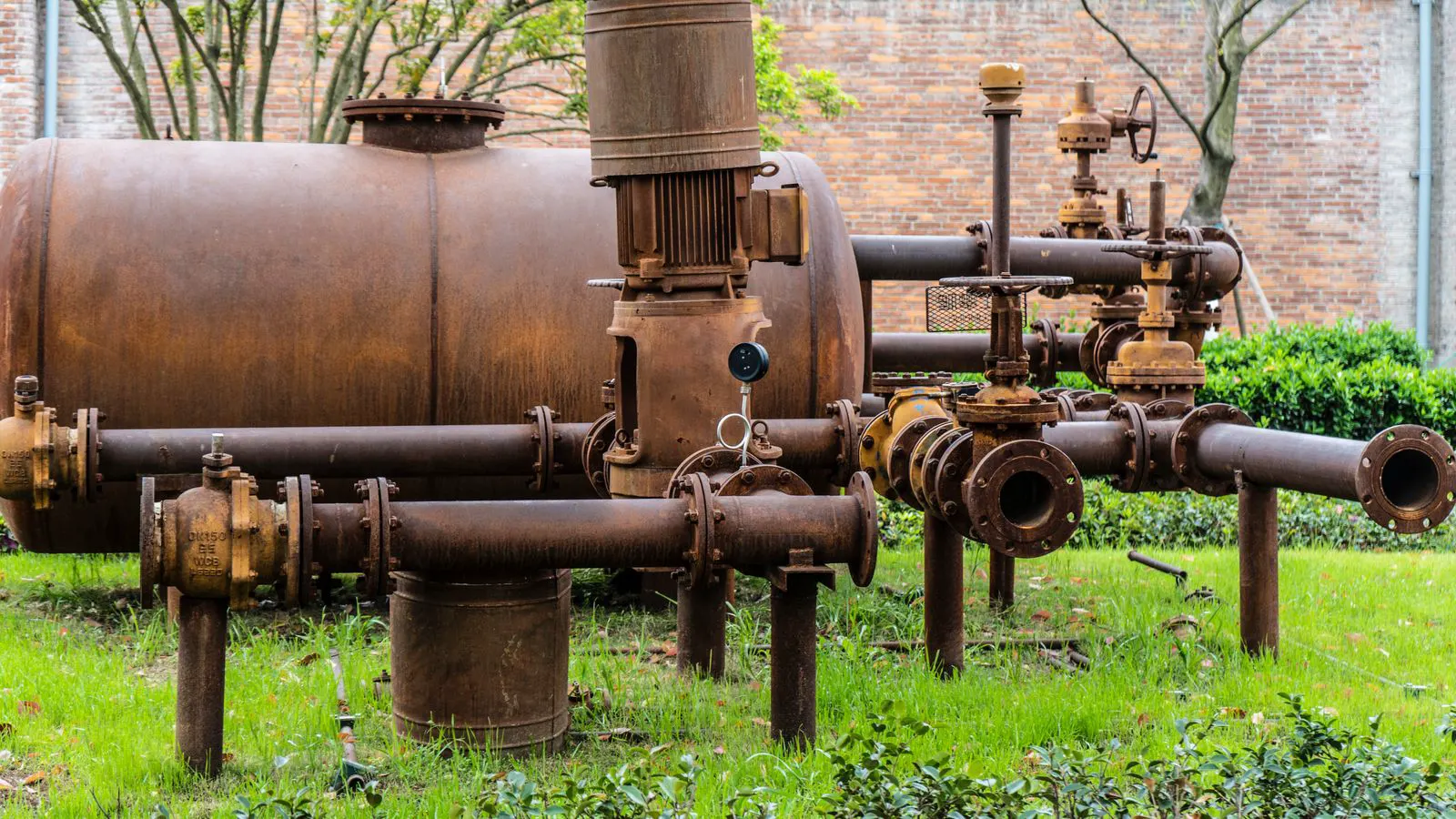
Gate valve pricing is determined primarily by body material, size, and pressure rating. Larger diameters and high-alloy bodies increase cost significantly. A clear RFQ listing exact specifications helps vendors quote accurately and compare fairly.
- Body material drives the highest cost variance, with stainless and duplex alloys costing significantly more than cast iron.
- Size increases price nonlinearly, so small diameter changes near the top of a size series can spike unit cost.
- A precise RFQ listing pressure class, end connection, and material grade prevents costly quote corrections and delays.
- Compare quotes on the same basis: include flange type, seat material, and operating hardware in the scope.
Why Material Changes the Price Curve
The body material sets the baseline for gate valve cost. A standard cast iron valve is the lowest-cost option for many low-pressure, non-corrosive applications. The material grade determines both the raw material price and the fabrication process required.
Cast iron is the workhorse of industrial piping. It is inexpensive to cast and machine, which keeps base prices low. However, it is not suitable for aggressive chemical service or high-temperature steam. When the application demands resistance to chlorides, sulfur, or high temperatures, the buyer moves to carbon steel, stainless steel, or duplex stainless.
Stainless steel 304 and 316 are the next step up. The cost increase is substantial. The alloy content, the need for higher-temperature casting processes, and the lower yield strength of stainless compared to carbon steel all factor into the price. A 10-inch 316 stainless gate valve can cost several times more than a 10-inch cast iron unit of the same pressure class.
Duplex and super duplex stainless alloys push the cost even higher. These grades offer high strength and superior chloride resistance, used in marine, chemical, and offshore service. The raw material cost is high, and casting these alloys is more difficult. Vendors often have longer lead times for these grades because not all foundries can produce them.
Aluminum and aluminum alloys are cheaper than stainless but have different limitations. They are not used in high-pressure service or high-temperature applications. Their use is limited to specific low-pressure chemical lines where weight savings are a priority.
How Size and Pressure Rating Drive Unit Cost
Size does not increase price in a straight line. The cost curve is nonlinear. Going from a small size to the next size up may increase cost by a modest percentage. Going from a large size to the next size up can increase cost dramatically.
A 4-inch gate valve costs a fraction of a 24-inch gate valve. The larger valve requires a larger casting, more machining, a larger seat, and a larger operating stem. The labor and material costs scale together.
Pressure rating compounds the size effect. A 15-inch valve rated for high pressure requires a thicker wall than a low-pressure version of the same size. The wall thickness affects casting weight, machining time, and testing requirements. A high-pressure valve is more than just a thicker pipe connection. It is a more robust component.
The end connection also affects size-related cost. A gate valve with welded ends is typically cheaper than one with flanged ends. Flanged ends require additional machining, bolt holes, and flange faces. The flange type and rating must match the piping system. A mismatch between valve flange and pipe flange creates fit-up problems and may require additional fabrication.
What Goes Into the Quote
A vendor quote for a gate valve is not just the price of the valve body. It includes several components that buyers often overlook. The quote should break down the cost into body, seat, stem, and operating hardware.
The body is the largest cost component. The seat material is a secondary cost. A standard gate valve uses a bronze or brass seat. A high-temperature or chemical service valve may require a special seat material, which adds cost. The stem is a machined steel or stainless part. A long travel stem for a large valve costs more than a short travel stem.
Operating hardware varies widely. A manual wheel or lever is the standard. A pneumatic or electric actuator is a separate cost item. The actuator type, control range, and fail-safe position all affect the actuator price. A vendor may quote the valve and actuator separately. This makes comparison easier.
Some quotes include packing, gaskets, and inspection reports. These are small items but they add up. A quote that excludes inspection or testing may look cheaper but does not cover the full cost of acceptance. A buyer should ask what is included in the price.
How to Write a Clear RFQ
A vague RFQ produces a vague quote. If the request for quotation is unclear, the vendor may quote the cheapest option that technically meets the minimums. This often leads to a fit-up problem later.
The RFQ should specify:
- Valve type and size.
- Pressure class and temperature range.
- Body material and seat material.
- End connection type and rating.
- Operating hardware type.
- Service medium.
- Required testing and documentation.
The service medium is often omitted. A valve rated for water is not the same as a valve rated for sulfuric acid. The medium determines the seat and packing material. It also affects the internal coatings and the acceptable surface finish.
The end connection must match the piping. A valve with a 600 lb class flange cannot be mated with a 300 lb class flange without an adapter. This is a common mistake. The RFQ should state the flange standard and the rating. The vendor should confirm that the valve flange matches the piping flange.
How to Compare Quotes Fairly
Comparing gate valve quotes is not a matter of picking the lowest number. The quotes may not be for the same product. One quote may be for a cast iron valve. Another may be for a carbon steel valve. One may include an actuator. Another may not.
A fair comparison requires putting the quotes on the same basis. The buyer should request a line-item breakdown. The breakdown should show the cost of the body, the seat, the stem, and the operating hardware. This reveals where the price difference comes from.
Lead time is a cost factor. A quote with a low price but a six-month lead time is not the same as a quote with a higher price and a six-week lead time. The buyer should ask for the current lead time. Lead times vary by material and size. A standard cast iron valve may be in stock. A duplex stainless valve may take several months.
The style guide for cost and lead time is simple. Price is only one dimension. The other dimensions are delivery time, material grade, and scope of work. A buyer who asks for only the price gets only the price. A buyer who asks for the full scope gets a true comparison.
A Table of Cost Drivers
The table below shows the main factors that influence gate valve pricing. The relative impact varies by application and market conditions. The buyer should weigh each factor based on the specific service.
| Cost Driver | Description | Typical Impact |
|---|---|---|
| Body Material | Cast iron, carbon steel, stainless, duplex | High |
| Size | Diameter and length of the valve | High |
| Pressure Class | Wall thickness and flange rating | Medium to High |
| Seat Material | Bronze, stainless, or specialty alloy | Medium |
| End Connection | Flanged, welded, or threaded | Medium |
| Operating Hardware | Manual, pneumatic, or electric actuator | Medium to High |
| Testing and Inspection | Hydrostatic test, material certificate | Low to Medium |
What to Ask the Vendor
When reviewing quotes, ask the vendor to confirm the following. The answers should be in writing.
- What is the exact material grade of the body?
- What is the pressure class and what standard does it follow?
- What is the current lead time for this size and material?
- What testing is included in the price?
- What is the warranty period and what does it cover?
A reliable vendor will answer these questions without hesitation. If the vendor is vague about the material or the lead time, the quote is not trustworthy. The buyer should ask for a sample or a material test report before placing a large order.
The gate valve is a critical isolation component. The cost is a small fraction of the total system cost. But a poor selection can cause leaks, failures, or shutdowns. The buyer should spend time on the specification. The time spent writing a clear RFQ and comparing quotes fairly saves money in the long run.
Frequently asked questions
Does a larger gate valve always cost more?
Yes, but the increase is nonlinear. A small step up in size may increase cost by a small percentage. A large step up, especially near the top of a size series, can increase cost significantly.
Is a stainless steel gate valve always better than carbon steel?
No. Stainless is more expensive and offers better corrosion resistance. Carbon steel is cheaper and stronger. The choice depends on the service medium, temperature, and pressure. A buyer should select the material based on the application, not on a general preference.
How do I know if a quote includes testing?
Ask the vendor. The quote should state what testing is included. A standard gate valve usually includes a hydrostatic test. A high-pressure or high-temperature valve may require additional testing. The buyer should request the test report as part of the acceptance criteria.
What is the biggest cost driver for a gate valve?
Body material and size are the two biggest cost drivers. The material grade determines the base price. The size determines the scale of the component. Together, they account for the majority of the cost.
Can I get a gate valve with different materials?
Yes. A gate valve can have a carbon steel body with a stainless seat. Or it can have a stainless body with a bronze seat. The combination depends on the service. The buyer should specify each component separately in the RFQ.